
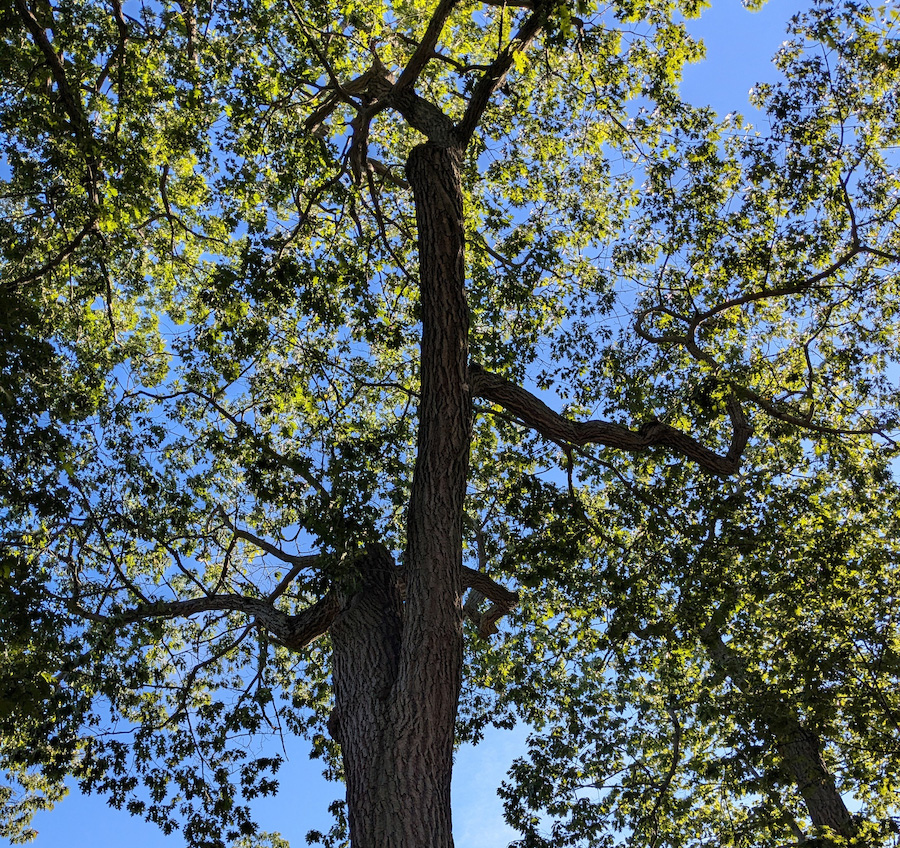
Oak Forests: Exploring Maine’s Woodland Communities – Webinar
As autumn gives way to winter, Maine forests enter a season of remarkable ecological activity. Join Maine Audubon’s Native Plants Program for an exploration of the woodland communities that sustain wildlife through the colder months. From acorn-rich oak-pine forests to northern hardwood stands, hemlock groves, and cedar swamps, each forest community offers unique food resources and shelter that help wildlife survive the winter ahead.
Participants will discover how nuts, seeds, fruits, leaf litter, fungi, and woody vegetation contribute to complex winter food webs. We’ll examine how different forest types support birds, mammals, insects, and other wildlife, and explore the ecological relationships that connect plants, animals, and soils long after the growing season has ended.
Through photographs and examples from across Maine, this webinar will reveal the hidden abundance of the late-season forest and offer new ways to observe and appreciate the natural communities that surround us. Whether you’re a gardener, naturalist, birder, or land steward, you’ll gain a deeper understanding of how healthy forests continue to support life throughout the winter months.
About the Natural Communities Series
Every landscape tells a story. Join Maine Audubon’s Native Plants Program for an exploration of Maine’s diverse natural communities and the seasonal changes that shape them throughout the year. Through engaging online presentations, participants will discover how native plants, wildlife, soils, and environmental conditions interact to create the habitats that define Maine’s landscapes.
In September, we’ll explore the ecology of Maine salt marshes, examining how these productive coastal ecosystems support wildlife, protect shorelines, and adapt to changing tides. October’s program focuses on meadows and grasslands, highlighting the plants, pollinators, and birds that depend upon these increasingly rare open habitats. In November, we’ll step back to examine how different natural communities transition into the colder months, exploring the oaks and other keystone species that provide beauty and ecological value throughout fall and winter.
Whether you’re a gardener, naturalist, land steward, or simply curious about Maine’s ecosystems, this series will deepen your understanding of the natural patterns that shape our landscapes and inspire new ways to observe the world around you.
Maine Audubon strives to provide inclusive and accessible programs for all members of the community. If you require accommodations to participate in this program, please email events@maineaudubon.org. Maine Audubon can best meet the needs of requests submitted at least seven days before the event start date.
This program will be recorded and made available to registrants.


